






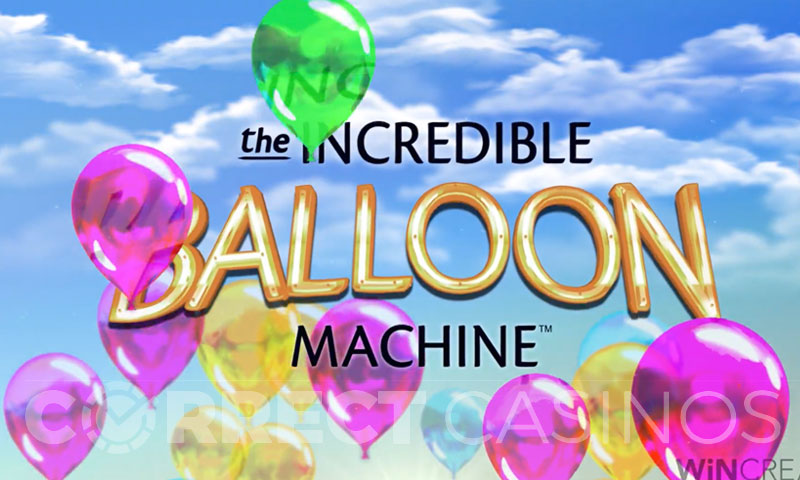
Today’s family life can be complex. The approaches we seek help have shifted, stretching well past the classic therapist’s couch. I’ve been observing how leisure and technology bump up against our social lives, and I spotted something intriguing. Occasionally, a simple leisure activity can function as a surprising metaphor for how we connect. Consider the ‘Balloon Boom’ slot game. At first glance, this is just a virtual pastime. But look closer, and you’ll recognize its workings—cooperation, collective excitement, and team rewards—mirror the core ideas behind good family counselling. Families throughout the UK are managing intricate relationships, and they often look for new ways to engage. A slot game won’t replace a qualified therapist, obviously. Still the shared language and experience it builds can offer us a fresh way to think about family. It demonstrates the value of engaging together, having mutual goals, and cheering for each other’s small victories.
Qualified family counselling in the UK is based on several proven principles. It’s striking how many of these show up, in an abstract way, in the functioning of a collaborative, goal-based game. The first principle is non-judgmental observation. A counsellor watches family patterns without pointing fingers. A game’s algorithm operates identically; it doesn’t judge, it just responds to input. This can make a protected bubble for interaction. Next, counselling aims at recognising and modifying dysfunctional patterns. In a game, if a tactic doesn’t work, players adjust. This minor practice in adapting is a valuable lesson. Thirdly, good therapy enhances communication and issue resolution. A collaborative game is, at its essence, a ongoing, low-stakes puzzle that needs continual, essential communication to win.
How can households use the appealing structure of a joint pastime to spark better bonds? The aim is to deliberately move the teamwork felt during play into regular discussion. Begin by choosing a low-stakes, cooperative task—this may be a game, a jigsaw puzzle, or a craft project. The rules are simple: center on the common objective, use constructive praise, and subsequently, talk not about the result but about how you collaborated as a team. Pose questions the session prompts: “What was our best team move today?” or “How could we collaborate more smoothly next time?” This vocabulary originates from team-building. It’s non-argumentative and focuses ahead. It directs conversation away from targeted fault-finding and toward improving the dynamic. Book these ‘connection sessions’ in the calendar as consistently as a counselling appointment, and shield that time from interruptions. The activity becomes the neutral zone, comparable to the counsellor’s room, where new methods of communication can be tested safely.
Considering the surprising link between a slot game’s design and family counselling ideas points to a bigger fact about how people interact. Even in a time of digital diversion, our basic human requirements stay the same. We require shared purpose, positive reinforcement, and the chance to succeed together. The ‘Balloon Boom’ metaphor isn’t an resolution, but it’s a sharp example. It demonstrates us that healthy families, much like good cooperative play, demand clear communication, aligned aims, mutual effort, and the capability to enjoy group achievements. For families in the UK, building stronger ties might start with a conscious choice to weave these ideas into daily living, using shared pursuits as training for better exchange. But when problems run serious, the smart step is to understand the professional support network across the UK exists for a cause. It offers the expert advice needed. The goal, whether through a playful comparison or professional assistance, remains identical: to create a family framework where everyone feels listened to, appreciated, and part of a shared path, making the everyday cycles of life into a common tale of resilience and bond.
Figurative language has its place, but making a clear distinction between casual metaphor and genuine professional support is crucial. A slot game, regardless of its cooperative themes, is for entertainment. Family counselling is a skilled, therapeutic process for dealing with real and commonly difficult problems. If the patterns in your home cause major anguish, affect psychological health, or cause unsafe behaviours, it’s time to find qualified assistance. In the UK, help is available through multiple pathways. The NHS (National Health Service) provides talking therapies, which may involve family therapy, typically obtained through a GP referral. Organisations like Relate offer specialist relationship and family counselling nationwide, via digital and in-person sessions. Private practitioners registered with the UK Council for Psychotherapy (UKCP) or the British Association for Counselling and Psychotherapy (BACP) are an alternative choice. Watch for indicators like constant conflict, a complete failure to communicate, dealing with major trauma or grief, or when issues such as addiction, abuse, or serious behavioural issues are present.
Life in the UK today moves fast. Family setups are diverse, and finding quality time together pitchbook.com is difficult. Screens frequently pull people apart instead of bringing them together. But the fact that families engage with interactive games, even in a casual watching or playing capacity, reveals a strong desire for a shared point of attention. A game like Balloon Boom, featuring vivid colours, straightforward rules, and a clear objective, can be a low-pressure shared activity. It provides a neutral subject for conversation, a shared “we accomplished that” experience without past family issues or disputes. Starting from this neutral ground, families can work on the precise abilities counselling seeks to foster: sharing turns, providing support, and dealing with letdowns or excitement as a team. This type of collective digital experience is the modern equivalent of a board game evening. It delivers a structured, entertaining setting for engagement that can reduce friction and generate new, uplifting recollections.
For UK families who realize they want support beyond metaphorical self-help, balloonboomslot, a solid network of resources is available. The initial step for numerous people is the NHS website. It contains a wealth of information on mental health services and how to access them. Charities like YoungMinds provide crucial support for carers with kids and teens dealing with mental health challenges, offering advice and directing parents toward professional help. For specialist relationship and family support, Relate is a cornerstone in the UK, recognized for its available services. Your local council often runs family information services. They can direct you to local support groups, parenting courses, and therapy. Also, many employers now provide Employee Assistance Programmes (EAPs). These commonly include confidential counselling sessions for staff and their direct families. Keep in mind, looking for help shows strength and a devotion to your family’s health. It is not a sign of defeat.
To grasp the metaphor, you should recognize how a team-based slot like Balloon Boom operates. It’s not a single-player activity. This sort of game has team features where players work toward a mutual target, like pumping up a single balloon to trigger a bonus. That feature is a vivid picture of how a family works. Every member’s move—their individual ‘spin’—contributes to the collective effort. If no one contributes, the goal goes nowhere. If everyone acts chaotically without harmony, the balloon might explode too soon for minimal reward. The link to family counselling is evident. In therapy, a counselor directs a family to identify shared goals (the jackpot), understand each person’s role in the system (their unique spin), and understand to contribute in a organized way for a beneficial result. The slot’s natural rhythm, with its lulls and unexpected bursts of action, mirrors the typical flow of family life. It instills patience and the need to persist.
In a slot machine, paylines are the vital paths to a win. For families, open communication functions the same way. These channels are the essential paylines. When they get clogged with resentment, confusion, or ineffective listening, personal effort never produces a good outcome. Balloon Boom gives graphic and audio feedback for group actions. This serves as a basic model for constructive reinforcement at home. A pleasant sound for a team contribution isn’t so unlike from the encouraging words a counsellor teaches families to use. It redirects attention away from blaming one person and toward what you attained together, strengthening the actions that helps the entire unit.
The risk-reward structure of a game also reflects family decisions. Families are constantly balancing emotional risks: the risk of being vulnerable, of initiating a hard talk, of altering old habits. The likely reward is a stronger, more flexible bond. In both scenarios, handling what you foresee is vital. Chasing a never-ending ‘bonus round’ of high drama isn’t practical. A healthy family, like a sensible approach to gaming, recognizes worth in the base game—the consistent, daily interactions that build security and trust gradually.